Quan
by Quan · Team well-being assessments, quarterly retros and rituals
BenchRank score
Screenshots of Quan
Homepage
Overview
Quan is employee well-being software for teams. Team members complete a private assessment across five dimensions — Mind, Body, Meaning, Social-Connectedness and Self-Fulfilment — and results are aggregated and anonymised into team strengths and risks. Quan then guides managers and teams through a quarterly retro, after which the team picks rituals to change how it works.
- Best for
- Managers and HR teams who want to measure and act on team well-being quarter by quarter
- Pricing
- The captured pages show no prices, plans or trial terms — only 'Get Started' and 'Sign-in' links.
Strengths and trade-offs
Strengths
- Assessment covers five named well-being dimensions
- Individual results stay private; team data is aggregated
- Quarterly retro is guided, ending in specific rituals to try
- Aggregate cross-team data for HR and senior leadership
Trade-offs
- No pricing published; you have to contact the company
- Built around whole teams, so little use for one person alone
- Quarterly cadence gives slow feedback on whether changes worked
- Depends on managers actually running the retro conversation
How Quan markets itself
A structured read of the promise, proof and page design on Quan’s captured homepage.
Homepage capture
“Helping busy teams build healthy rituals.”
- Angle: Outcome / benefit-led
- Hero: Product screenshot
Pricing
Published plans and prices from Quan’s own pricing page.
How this score is made up
Each dimension is scored out of 100 and combined into the headline score using fixed weights.
MCP support
Whether an agent can drive the product through the Model Context Protocol, and how much setup that takes.
Documentation
Publicly reachable docs — coverage, freshness, code samples and machine readability.
Agent friendliness
How readable the site is to an automated client: llms.txt, structured data, server-rendered content, crawler access.
Changelog
A public, dated record of what shipped and when — the clearest signal that a product is still alive.
Marketing site structure
Whether the site answers a buyer's questions: clear positioning, the pages that matter, and accessibility.
Page speed
How fast the site loads for real visitors: Chrome UX Report 75th-percentile LCP, INP and CLS, with a Lighthouse mobile run standing in where a site has too little traffic for field data.
Operational trust
Status page and incident history, security disclosure, compliance and data-processing documentation.
Measured, but not part of the score
Useful to know, but not a mark for or against the product — so these do not affect the ranking.
Openness
Source availability, self-hosting, data export and open standards. Scored and shown, but not part of the composite — paid SaaS is not worse for being paid SaaS.
This doesn’t look right — report a problem with Quan’s score
Where this comes from
The Quan pages BenchRank reads when it scores the product — its documentation, release notes, status and security pages, and its repository where there is one.
Alternatives in HR & People
Ranked 1
60.6 — BenchRank score out of 100Rippling
Rippling · Unified HR, IT and finance platform for workforce management
Best for: Companies wanting HR, IT and finance admin — payroll, devices, spend — on one shared data platform.
Ranked 2
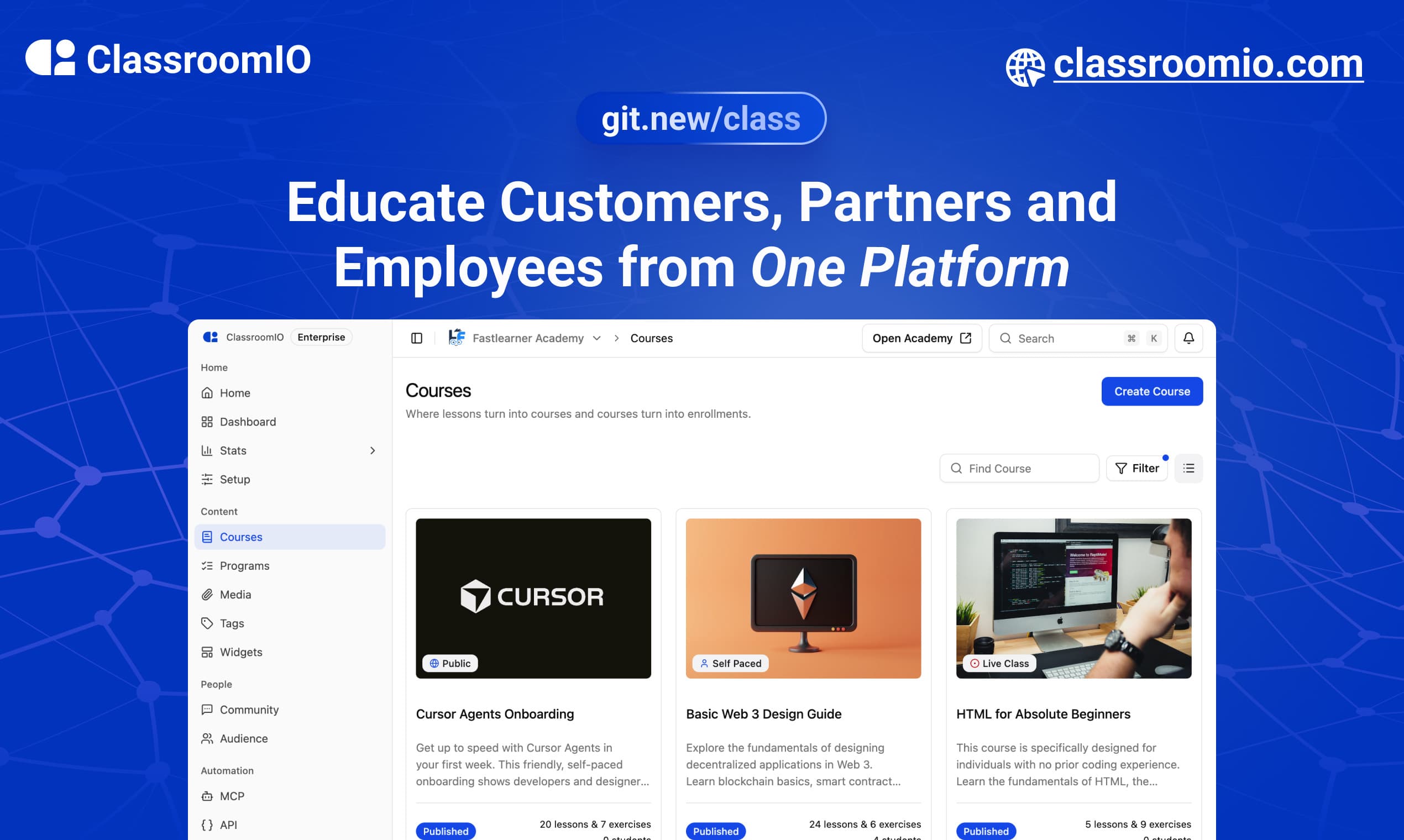
49.6 — BenchRank score out of 100ClassroomIO
ClassroomIO · Open-source LMS for customer, partner and employee academies
Best for: Teams running customer, partner and employee training who want a branded academy on their own domain.
Ranked 3
46.4 — BenchRank score out of 100Horilla
Horilla · Open-source HRMS with payroll, attendance and leave, self-hosted or managed
Best for: Teams wanting an open-source HRMS they can self-host free, or run managed from $7/user/month


Is this your product?
Claim Quan to manage its profile. Claiming lets you suggest edits to the descriptive fields — it never changes scores or rankings.