
Let's Encrypt
by Let's Encrypt · Free, automated TLS certificates from a nonprofit Certificate Authority
BenchRank score
Screenshots of Let's Encrypt
Homepage
Overview
Let's Encrypt is a Certificate Authority that issues free TLS certificates so websites can enable HTTPS. Certificates are obtained through ACME clients, and you must demonstrate control over the domain before one is issued. It is a project of the nonprofit Internet Security Research Group (ISRG), funded by donations and sponsorship.
- Best for
- Website operators who want free TLS certificates and can automate issuance and renewal.
- Pricing
- Certificates are free; the page shows no prices and asks for donations and corporate sponsorship instead.
Strengths and trade-offs
Strengths
- Certificates are free; no paid tier is shown
- Issuance is automated through ACME clients
- Run by ISRG, a nonprofit, funded by donations and sponsors
- Stated to serve more than 700M websites
Trade-offs
- You must demonstrate control of the domain to get a certificate
- Requires setting up an ACME client rather than a one-off purchase
- Help is pointed at a community forum; no paid support is mentioned
- Continued free service depends on donations and corporate sponsorship
Pricing
Published plans and prices from Let's Encrypt’s own pricing page.
How this score is made up
Each dimension is scored out of 100 and combined into the headline score using fixed weights.
MCP support
Whether an agent can drive the product through the Model Context Protocol, and how much setup that takes.
API quality
Public API surface: machine-readable spec, official SDKs, documented auth, errors, rate limits and versioning.
Documentation
Publicly reachable docs — coverage, freshness, code samples and machine readability.
Agent friendliness
How readable the site is to an automated client: llms.txt, structured data, server-rendered content, crawler access.
Customer sentiment
Third-party ratings, shrunk toward the catalogue mean by review volume and corroborated across independent sources.
Changelog
A public, dated record of what shipped and when — the clearest signal that a product is still alive.
Marketing site structure
Whether the site answers a buyer's questions: clear positioning, the pages that matter, and accessibility.
Page speed
How fast the site loads for real visitors: Chrome UX Report 75th-percentile LCP, INP and CLS, with a Lighthouse mobile run standing in where a site has too little traffic for field data.
Operational trust
Status page and incident history, security disclosure, compliance and data-processing documentation.
Measured, but not part of the score
Useful to know, but not a mark for or against the product — so these do not affect the ranking.
Openness
Source availability, self-hosting, data export and open standards. Scored and shown, but not part of the composite — paid SaaS is not worse for being paid SaaS.
Maintenance
Release cadence and repository activity. Scored and shown, but not part of the composite — it is only measurable for open repositories.
This doesn’t look right — report a problem with Let's Encrypt’s score
Where this comes from
The Let's Encrypt pages BenchRank reads when it scores the product — its documentation, release notes, status and security pages, and its repository where there is one.
Alternatives in Secrets & Key Management
Ranked 1
71.4 — BenchRank score out of 100Infisical
Infisical · Secrets, certificate and privileged access management for developers
Best for: Engineering teams wanting secrets, certificates and privileged access managed on one platform
Ranked 2
66.7 — BenchRank score out of 100Unkey
UnKey · API deployment, gateway and observability on one platform
Best for: Teams that want API deployment, key auth, rate limiting and logs from a single vendor
Ranked 3
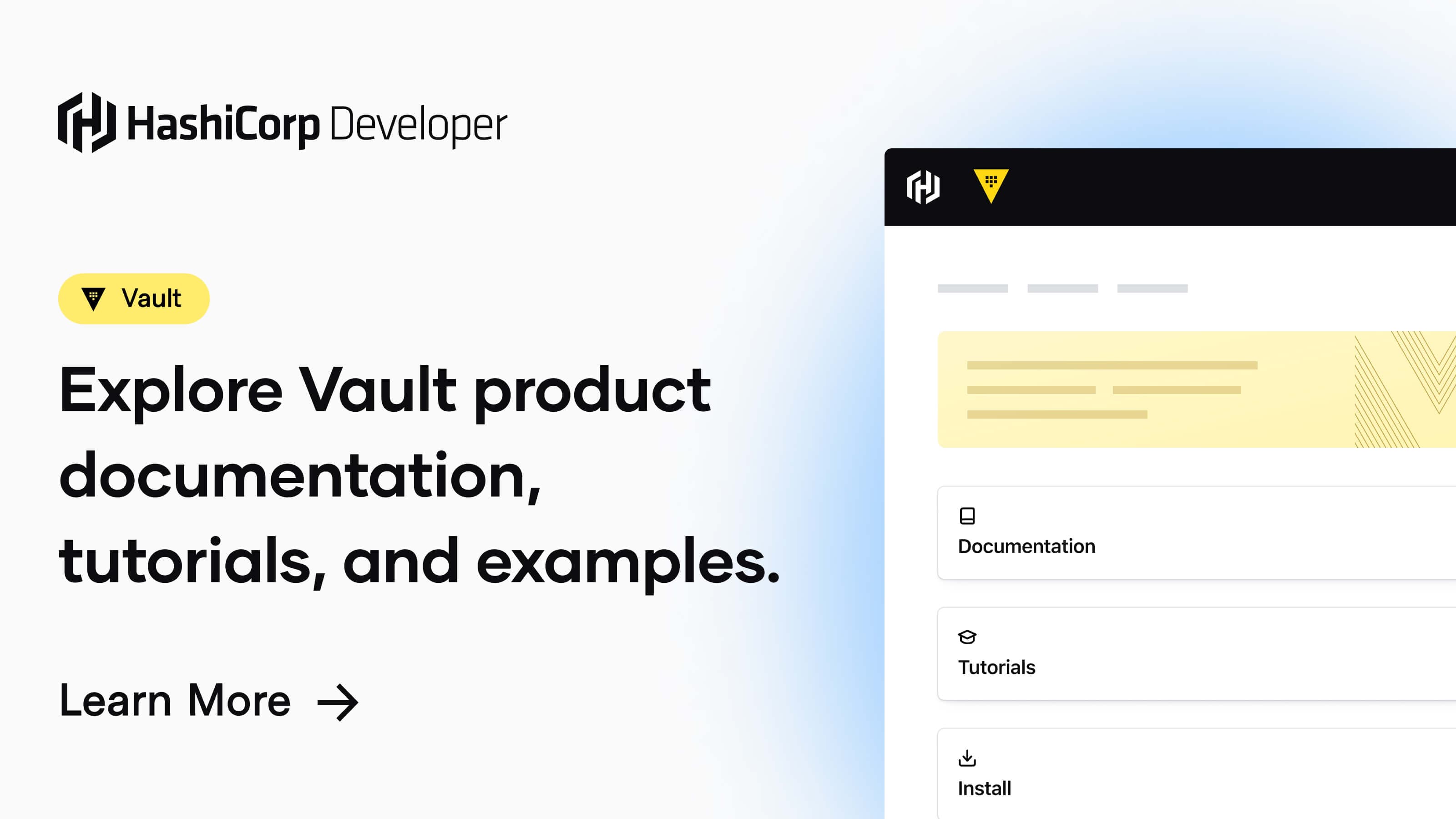
61.8 — BenchRank score out of 100Vault
HashiCorp Vault · Secrets management and encryption as a service via UI, CLI or HTTP API
Best for: Security and platform teams storing secrets, issuing database credentials and encrypting data


Is this your product?
Claim Let's Encrypt to manage its profile. Claiming lets you suggest edits to the descriptive fields — it never changes scores or rankings.